
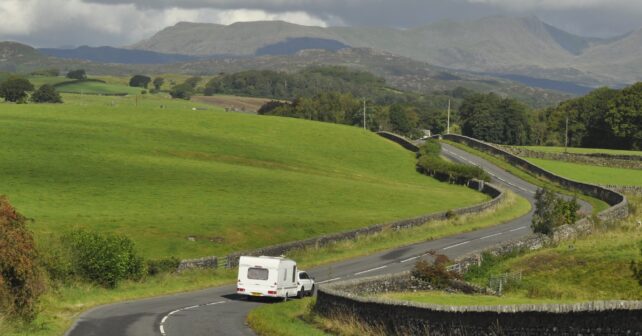
Caravan touring offers a unique way to explore the UK’s diverse landscapes, combining the freedom of the open road with the comforts of home. However, for many towing enthusiasts, navigating busy main roads can be stressful, especially when pulling a caravan. Quiet B-road caravan routes provide an ideal alternative, offering low-traffic, scenic loops perfect for relaxed towing. These routes not only enhance the touring experience but also reduce the strain on both driver and vehicle. This article explores some of the best quiet B-road caravan routes across the UK, alongside practical advice for planning and enjoying a hassle-free caravan trip.
Why Choose Quiet B-Road Caravan Routes?
Major A-roads and motorways often dominate route planning for caravaners due to their directness and speed. However, these roads can be busy, with frequent lorries, tight junctions, and limited opportunities to pull over safely. Quiet B-roads, by contrast, offer several benefits that make them well suited for towing caravans:
- Lower traffic volumes help reduce stress and improve safety when manoeuvring a longer vehicle.
- More scenic surroundings allow for a more enjoyable and relaxed driving experience.
- Frequent passing places and pull-ins provide safe areas to stop or let faster vehicles pass.
- Access to charming rural villages and countryside encourages exploration and stops away from crowded tourist hubs.
Using quieter roads also helps preserve the condition of your caravan’s tow hitch and stabiliser by avoiding the frequent braking and acceleration often required on busier routes. The slower pace encourages calm, consistent driving, which benefits fuel consumption and reduces wear on brakes and tyres.
Planning Your Quiet B-Road Caravan Route
Effective planning is key to making the most of quiet B-road routes. Unlike main roads, B-roads can be narrow, winding, and occasionally challenging, so preparation should address both the route itself and practical towing considerations.
1. Mapping Your Route
Online mapping tools and dedicated caravan route planners can help identify suitable B-roads. When planning, look for loops or circuits rather than linear routes to allow easy return to your starting point or next destination. Consider the following:
- Choose routes that avoid steep gradients when possible, as towing on inclines can increase strain on your vehicle.
- Check for low bridges, narrow lanes, or weight restrictions that might affect your caravan’s size or weight.
- Identify suitable pull-ins, lay-bys or passing places to safely stop or allow other traffic to pass.
- Plan stops near amenities such as petrol stations or service areas, especially if you need to check caravan connections or refuel.
2. Timing Your Journey
Travelling outside peak hours and weekends can greatly reduce encounters with larger vehicles and holiday traffic. Early mornings or weekday mid-mornings often provide the quietest conditions. Additionally, consider seasonal variations; rural routes can be busier during school holidays or local events.
3. Vehicle and Caravan Checks
Before setting off on a B-road route, ensure your towing setup is in good condition. Check tyre pressures on both vehicle and caravan, inspect the tow hitch and electrical connections, and ensure your mirrors are adjusted for maximum visibility. Having a high-visibility vest or jacket within reach is essential should you need to exit the vehicle on a narrow road.
Examples of Quiet B-Road Caravan Routes in the UK
While the UK offers countless B-road options, a few regions stand out for their combination of low traffic, beautiful scenery and practical towing conditions.
The Cotswolds Loop
The Cotswolds are renowned for rolling hills, honey-coloured stone villages and gentle country lanes. A circular B-road route beginning and ending near Cirencester can take you through places like Bibury, Bourton-on-the-Water and Stow-on-the-Wold. The roads here tend to be well maintained and offer passing places, with ample opportunities to stop for refreshments or short walks. Avoiding the busier A429 by sticking to adjacent B-roads makes towing much more relaxing.
The Northumberland Backroads Circuit
Northumberland’s rural interior is a haven for quiet driving. A loop incorporating B roads around villages such as Rothbury, Alwinton and Thropton allows you to enjoy expansive moorland and river valleys. The relatively flat terrain and minimal traffic make this an ideal area for caravan towing, with plenty of space to pull over and enjoy the scenery.
The Lake District’s Lesser-Known Loops
While the Lake District’s main roads can be congested, several quieter B-road loops around the southern and eastern fringes offer scenic towing routes. Circuits near Windermere or Kendal, for example, take you through tranquil farmland, small fells and picturesque villages. Due to narrow lanes in some spots, it is essential to drive carefully and be prepared to use passing places frequently.
Practical Tips for Towing on Quiet B-Roads
Even on quieter roads, towing a caravan requires attention and some specific techniques to maintain safety and comfort.
Maintain a Steady Speed
Keeping a consistent pace helps prevent undue strain on your engine and brakes. Avoid sudden acceleration or braking, which can destabilise the caravan. Use engine braking where possible when descending hills to reduce brake wear.
Use Passing Places Wisely
On narrow B-roads, passing places are essential for sharing the road with other vehicles. Always pull into the passing place on your left if possible and signal your intentions early. If you encounter a larger vehicle, be ready to reverse if necessary, but communicate clearly with other drivers using lights or hand signals.
Plan Your Stops
With fewer service stations on quiet routes, plan fuel and rest breaks ahead of time. Take advantage of lay-bys and designated pull-ins for short stops to check your towing setup and stretch your legs. If you need to unhitch or access storage, ensure the spot is level and safe.
Be Mindful of Weather
Rain, fog or frost can make narrow B-roads more challenging. Slow down accordingly and keep your caravan lights on for visibility. If conditions worsen, consider delaying your journey until it is safer to continue.
Conclusion
Quiet B-road caravan routes offer an attractive alternative to busy main roads, providing low-traffic, scenic loops that enhance the towing experience. With careful planning and sensible driving, these routes allow caravan enthusiasts to enjoy the UK’s countryside in a stress-free and enjoyable way. Whether you choose the gentle lanes of the Cotswolds, the open landscapes of Northumberland or the peaceful circuits of the Lake District, prioritising quiet B-roads can make your caravan tour more relaxing and memorable. Remember to plan your route carefully, check your vehicle and caravan beforehand, and drive considerately to get the most out of your journey.


No Responses to “Quiet B-Road Caravan Routes: Low-Traffic Scenic Loops For Relaxed Towing”