
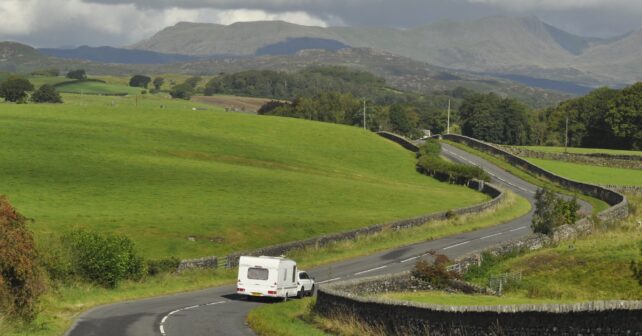
Travelling with a caravan offers a wonderful way to explore the UK’s scenic countryside and coastal areas at your own pace. However, many of the most picturesque routes include single-track roads, which can be challenging to navigate in a larger vehicle. Understanding the practicalities of driving caravans on single-track roads, including how to use passing places and plan routes carefully, is essential for a safe and enjoyable journey. This guide provides practical advice on route selection, driving techniques, passing-place etiquette, and safety tips to help you confidently tackle single-track roads with your caravan.
Understanding Single-Track Roads and Their Challenges
Single-track roads are narrow roads where there is only enough width for one vehicle to pass at a time. Common in rural and remote parts of the UK—especially in Scotland, Wales, and parts of England—they often run through beautiful but less accessible areas. While these roads can add charm and tranquillity to your trip, they demand more patience, skill, and caution when towing a caravan.
Some of the main challenges include tight bends, limited visibility, uneven surfaces, and the need for precise manoeuvring when meeting oncoming traffic. Unlike wider roads, you cannot simply pull over anywhere to let another vehicle pass; you must use designated passing places, which are usually marked by a sign or a widened section of road.
Practical Route Planning for Caravans on Single-Track Roads
Good preparation is key to avoiding unnecessary stress on single-track routes. Before setting out, it is advisable to plan your journey carefully, considering both the route and the size of your caravan. Many online maps and sat-nav systems now include information about road widths, but it is still worth checking local authority websites or speaking to tourist information centres for up-to-date advice.
Where possible, choose routes that offer wider stretches or dual carriageways for longer stretches, leaving single-track sections to quieter parts of your drive. If you are heading to popular scenic destinations, try to travel during off-peak hours to minimise encounters with other vehicles.
Be aware that some single-track roads may have weight or length restrictions that apply to certain caravans, so always check signage carefully. If in doubt, consult your caravan handbook or manufacturer for the maximum dimensions and weight your vehicle can safely handle.
Passing Places: Etiquette and Practical Use
Passing places are a critical feature on single-track roads. They are often located at regular intervals, allowing vehicles travelling in opposite directions to pass safely. Passing places can be found on either side of the road, marked by a rectangular sign or simply a widened section of tarmac or gravel.
When towing a caravan, it is important to use passing places correctly to avoid blocking the road or causing congestion. The general etiquette is as follows:
- Give way to vehicles coming uphill where possible, as they may struggle to regain momentum on steep gradients.
- Pull into the passing place on your left unless otherwise indicated.
- Reverse carefully if necessary to get fully into the passing place, ensuring your caravan does not overhang into the road.
- Be patient and courteous, signalling your intentions clearly to other drivers.
In some cases, you may find a passing place too short for your caravan, especially if it is longer than a standard car. In these situations, it is better to stop before the passing place and allow the oncoming vehicle to pull in first. Never attempt to squeeze into a passing place where you are likely to block the road or cause damage to the verge.
Turning Points and Manoeuvring on Narrow Roads
Single-track roads can sometimes end abruptly or lead to dead ends, making turning around with a caravan tricky. When planning your route, identify potential turning points where you can safely manoeuvre your vehicle without risking damage or getting stuck. Suitable turning points might be farm gateways, lay-bys, or wider sections of road.
If you find yourself needing to reverse on a narrow road, proceed slowly and carefully. Use a spotter if possible to guide you, especially on blind bends or uneven ground. Avoid reversing downhill where control is more difficult, and never reverse onto a main road.
Driving Tips for Safe Caravan Touring on Single-Track Roads
Driving a caravan on single-track roads requires a blend of skill, caution, and anticipation. Here are some practical tips to help you navigate confidently:
- Reduce your speed to allow more time to react to oncoming vehicles and obstacles.
- Keep a safe distance from the vehicle in front, especially on bends and steep sections.
- Use your mirrors frequently to monitor how your caravan is tracking through narrow sections.
- Stay alert for cyclists, pedestrians, and livestock which are more common on rural single-track roads.
- Be prepared to stop and give way at passing places, and always signal your intentions clearly.
- Check your caravan mirrors and lights before entering narrow sections to ensure visibility and safety.
- Consider your caravan’s overhang when negotiating bends and tight spaces to avoid damaging your vehicle or road edges.
Where to Find Practical Single-Track Routes Suitable for Caravans
Many UK regions are renowned for their single-track roads that offer stunning views and peaceful driving experiences. While some routes are more suited to experienced drivers with smaller caravans or campervans, others are manageable for larger setups with careful planning.
The Scottish Highlands are famous for their extensive single-track network, with well-maintained passing places and clear signage. Areas such as the North Coast 500 feature a mix of single-track and wider roads, allowing for varied driving experiences. Similarly, parts of Snowdonia in Wales, the Lake District, and rural Cornwall offer single-track roads that require careful navigation but reward you with spectacular scenery.
When exploring these areas, always consult local guidance on road conditions and restrictions. Many regional tourist boards provide maps highlighting single-track roads and recommended caravan-friendly routes.
Conclusion: Confidence and Consideration on Single-Track Roads
Driving caravans on single-track roads can be a rewarding aspect of touring the UK, opening up access to some of the country’s most beautiful and less-visited landscapes. Success depends on thorough route planning, understanding passing-place etiquette, and adopting careful driving techniques. By respecting the road and other users, and by preparing your vehicle and caravan appropriately, you can enjoy a safe and relaxed journey even on the narrowest and most challenging routes.
Remember that patience and courtesy are your best tools when sharing single-track roads. Taking the time to plan sensible routes and practising careful manoeuvres will help avoid common pitfalls and turn your caravan trip into a memorable adventure.


No Responses to “Single-Track Roads For Caravans: Practical Routes, Passing Places And Driving Tips”