
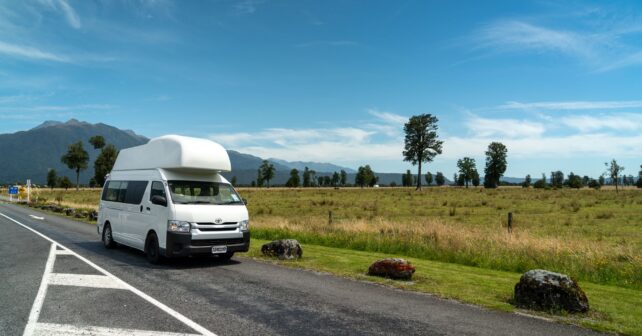
Planning a rural caravan or campervan tour in Britain is an exciting way to explore the countryside and discover hidden gems beyond the main motorways. However, one of the challenges of touring off the beaten track is ensuring you have reliable access to fuel and essential supplies. Knowing where to refuel and resupply on rural caravan tours is vital for a smooth, stress-free journey, especially when facilities can be few and far between. This guide offers practical advice to help you plan your fuel stops, manage AdBlue and LPG needs, and find safe places to pull over, ensuring your rural adventure runs without a hitch.
Understanding Fuel Needs for Rural Caravan Tours
Caravans and campervans can be thirsty vehicles, especially when towing or carrying heavy loads. Planning fuel stops carefully is essential because rural areas tend to have fewer petrol stations, and those that do exist may not always cater to larger vehicles or offer the right fuel types.
Diesel remains the most common fuel for vans and motorhomes, but it is worth noting that many modern diesel vehicles require AdBlue, a liquid used to reduce emissions. Running out of AdBlue can cause your vehicle to stop running, so factoring this into your fuel planning is just as important as refilling diesel.
Additionally, some campervans use LPG (liquefied petroleum gas) for cooking, heating, or refrigeration. Unlike petrol and diesel, LPG refuelling points are less common, particularly in rural regions. Knowing where to find LPG refill stations before you set off can save you considerable inconvenience.
Finding Fuel Stations Suitable for Caravans and Campervans
Not all fuel stations are caravan-friendly. Many rural forecourts have narrow entrances or tight turning circles that make manoeuvring large vehicles difficult. Some stations explicitly restrict access for vehicles over a certain height or length. To avoid frustration, it is wise to research stations that welcome caravans and campervans along your intended route.
Useful steps include:
- Using apps and websites dedicated to caravan touring that list suitable fuel stops.
- Checking reviews from other caravan users who share their experiences of particular filling stations.
- Considering service stations on dual carriageways or A-roads rather than small village petrol stations, which may have limited space.
Forecourts operated by major brands often provide reliable facilities and have better access for larger vehicles. Some chains also offer dedicated parking bays for motorhomes to refuel safely without blocking other customers.
Planning for AdBlue: What You Need to Know
AdBlue is a urea-based fluid used by many modern diesel engines to reduce harmful nitrogen oxide emissions. It is stored in a separate tank, and the vehicle will alert you when levels are low. However, in rural touring, the availability of AdBlue can be patchy.
Before heading into more remote areas, ensure your AdBlue tank is topped up. Many larger filling stations stock AdBlue, but smaller rural forecourts may not. Carrying a spare container of AdBlue can provide peace of mind, especially on longer stretches between major towns.
When refilling AdBlue:
- Use the dedicated AdBlue filler, not the diesel tank.
- Handle the fluid carefully, as it is corrosive to paints and metals.
- Store AdBlue in a cool, shaded place to preserve its quality.
Planning your AdBlue top-ups alongside diesel refuelling will help avoid unexpected breakdowns and keep your vehicle compliant with emissions regulations.
Managing LPG Supplies on Rural Routes
LPG is popular for heating, cooking, and refrigeration in caravans and campervans, but refuelling options tend to be limited outside urban areas. Unlike petrol and diesel, there is no widespread network of LPG filling stations, and some forecourts do not stock it at all.
To avoid running low on LPG during a rural tour:
- Identify LPG filling stations or approved refill centres before setting off. Websites and apps can help locate these points.
- Consider carrying spare LPG cylinders if your vehicle uses portable bottles, making sure they are safely secured and comply with transport regulations.
- Plan your route to include towns or service areas known to stock LPG.
Remember that swapping cylinders at certain retail outlets or caravan suppliers may also be an option in some areas, though availability varies widely.
Using Technology to Find Refuelling and Resupply Points
Modern technology is a great aid for caravan tour planning. Various apps and websites provide up-to-date information on fuel stations, service points, and safe pull-off areas suitable for larger vehicles. These tools often include user reviews and details about facilities, access, and pricing.
Some useful resources include:
- Fuel price comparison apps that highlight stations offering the best prices for diesel and petrol.
- Caravan-specific apps that map out motorhome-friendly services, including waste disposal points, water refill stations, and LPG suppliers.
- Navigation apps with options for routing based on vehicle size and restrictions.
Using these tools allows you to adapt your route in real time if you find that planned stops are closed or unsuitable, which is particularly helpful in rural areas where options are limited.
Safe Places to Pull Over and Rest on Rural Roads
When touring in rural Britain, safe pull-off spots for breaks and checks are essential. Narrow country lanes often lack dedicated lay-bys or hard shoulders, making it risky to stop on the carriageway.
Look out for:
- Designated lay-bys marked on maps or signs, which can provide safe parking for short rests or emergency stops.
- Farm access points or wide spots in the verge where it is legal and safe to pull over without obstructing traffic or damaging land.
- Small village car parks or roadside parking areas where longer breaks can be taken.
Always ensure your vehicle is clearly visible to other road users and avoid stopping on blind bends or narrow bridges. If you need to check your caravan or campervan, find a safe spot well off the road to avoid hazards.
Stocking Up on Supplies in Rural Areas
Fuel is not the only consideration for resupplying on rural caravan tours. Food, water, and general provisions may be harder to come by in remote locations. Planning ahead to top up supplies in larger towns or supermarkets before venturing into sparsely populated areas is advisable.
Local village shops can be charming and convenient but often have limited stock and restricted opening hours. It is wise to carry essentials such as bottled water, non-perishable food, and basic toiletries in your vehicle.
For longer trips, consider:
- Mapping out supermarkets or farm shops on your route where you can replenish fresh produce and essentials.
- Using online delivery services to have goods sent to campsites or caravan parks, if this option is available.
- Carrying a well-equipped first aid kit and emergency supplies to cover unexpected delays.
Conclusion
Knowing where to refuel and resupply on rural caravan tours makes all the difference between a relaxing trip and a stressful one. By planning your fuel stops carefully, considering AdBlue and LPG needs, and using technology to locate suitable services, you can enjoy Britain’s beautiful countryside with confidence. Always prioritise safety when pulling over on rural roads and stock up on essentials before heading into remote areas. With thoughtful preparation, your caravan or campervan tour will be a memorable experience full of scenic drives and peaceful nights under the stars.


No Responses to “Where to Refuel and Resupply on Rural Caravan Tours”